
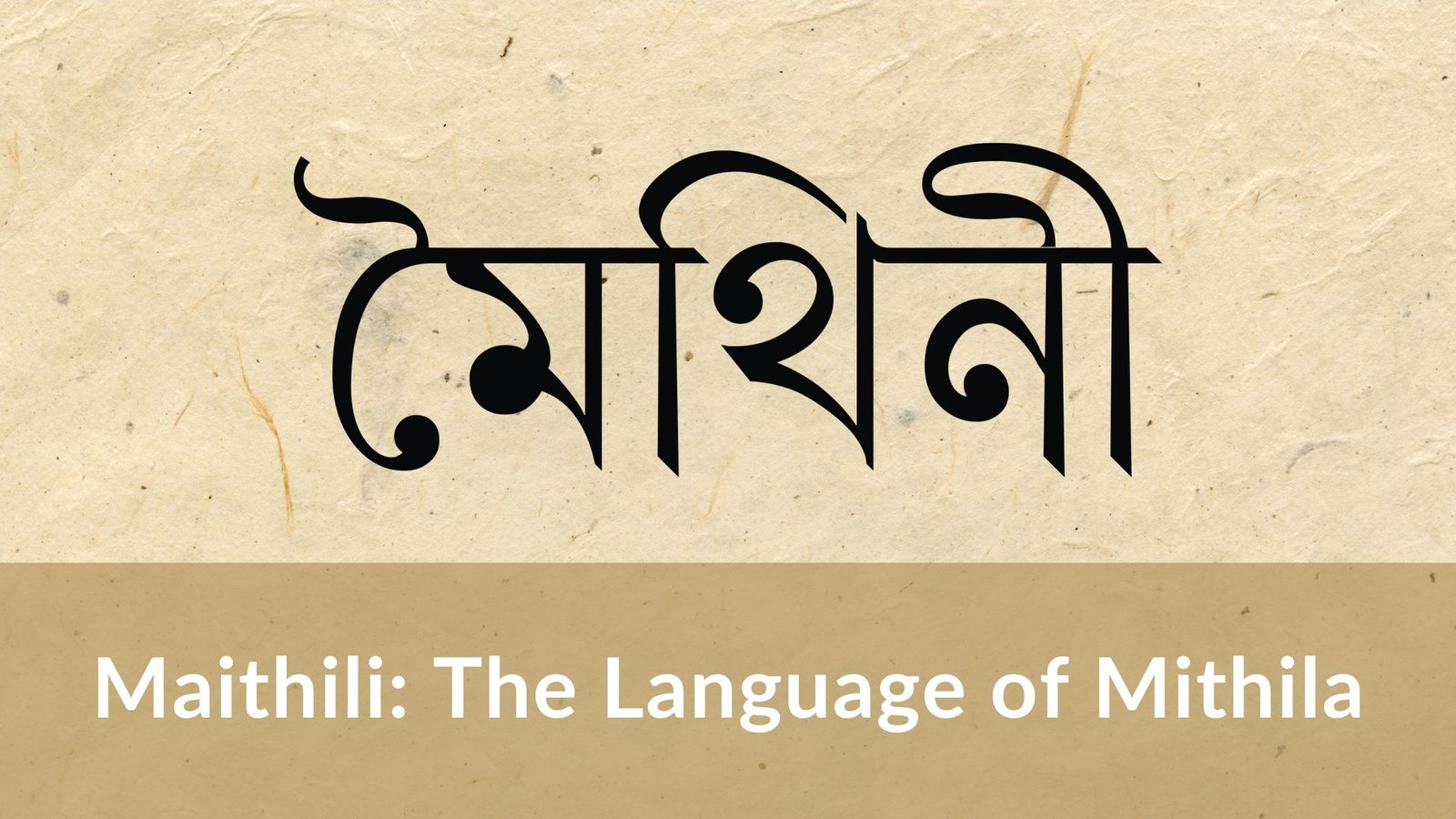
Listen to Maithili, and you can almost hear Mithila come alive. This melodious language, spoken by over 34 million people, holds the stories, traditions, and spirit of a culture that has thrived for centuries.
Maithili is often described as one of the most friendly and melodious languages, with a gentle quality even in heated exchanges.
In this blog, we’ll explore the captivating history, geographic reach, and unique characteristics of the Maithili language, which make it a true gem among India’s diverse languages.
Join us as we explore why Maithili holds such a special place in India’s rich cultural heritage. This journey will help you see and appreciate the beauty of this remarkable language.
A Recognized Language with a Rich Heritage
Maithili is the world’s 43rd most widely spoken language and India’s 13th most prevalent language. It is recognized as a distinct language and is one of the 22 scheduled languages of the Indian Constitution, granting it official status.
Unlike many mother tongues that are considered regional dialects, Maithili is an independent language with its own grammatical structures, vocabulary, script, and cultural expressions such as fakra.
While it shares some linguistic similarities with Hindi due to their common Indo-Aryan origins, Maithili has maintained a distinct identity and rich cultural significance for the Maithil people.
The Linguistic Roots of Maithili
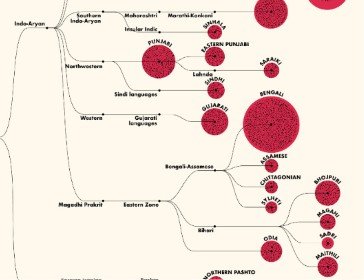
As part of the Indo-Aryan language family, Maithili shares common linguistic ties with other prominent tongues of the Indian subcontinent, such as Hindi, Bengali, and Nepali.
Yet, over the centuries, it has evolved into a distinct language, maintaining a unique identity and cultural significance for the Maithil people.
The development of Maithili can be traced to the ancient Magadhi Prakrit, one of the major Prakrit languages that emerged from Sanskrit. Through a gradual process of divergence and regional adaptation, Magadhi Prakrit gave rise to various dialects, including the precursor to the modern Maithili language.
Where Maithili Is Spoken
Maithili is predominantly spoken in the Mithila region, which spans parts of both India and Nepal. In India, the Maithili-speaking population is primarily concentrated in the northern districts of Bihar state, particularly in areas like Darbhanga, Madhubani, Samastipur, Saharsa, and Begusarai.
These districts are considered the cultural and historical heartland of the Mithila region. Additionally, some parts of the neighboring state of Jharkhand and certain regions of West Bengal also have significant Maithili-speaking communities.
Across the border in Nepal, Maithili is widely spoken in the eastern Terai region, especially in districts such as Dhanusha, Mahottari, Sarlahi, Siraha, and Morang. In fact, Maithili is the second most prevalent language in Nepal, after the national language, Nepali.
Beyond these core Mithila regions, Maithili-speaking communities have also settled in various other parts of India and around the world, including the United States, the United Kingdom, and the Middle East. These diaspora communities continue to preserve their linguistic and cultural heritage, further underlining the widespread influence and significance of the Maithili language.
The Unique Script of Maithili: Mithilakshar
One of the most intriguing aspects of the Maithili language is its writing system. Historically, Maithili was written using the Tirhuta script, which has its roots in the ancient Brahmi script. The Tirhuta script is also known as Mithilakshar. Alongside the Mithilakshar script, Maithili was also written using the Kaithi script.
However, in modern times, the Devanagari script has become more widely adopted for Maithili. This transition to the Devanagari script has made Maithili more accessible and allowed greater integration with the broader Indian literary tradition.
The shift in script usage, from the distinctive Tirhuta to the more widely recognized Devanagari, has been an important development in the evolution of the Maithili language. This change has helped preserve and promote the language, ensuring its continued use and growth, while still honoring its unique cultural roots.
A Treasure to Cherish
From its melodious tones and distinct script to its deep-rooted history, Maithili embodies the vibrant diversity that makes India’s linguistic landscape so remarkable. Its value is beyond purely academic or linguistic. It is a living, breathing part of the Mithila people’s cultural fabric.
While Maithili may not enjoy the same global recognition as some of India’s more prominent languages, its significance as a cultural treasure is undeniable.
It is the very soul of the Mithila region, a linguistic gem that deserves to be celebrated and preserved. Through deeper understanding and appreciation, the world can unlock the true beauty and richness that Maithili has to offer.
For those who call Maithili their own, let’s take pride in our language and preserve its beauty for generations ahead. And for those meeting Maithili for the first time, welcome to a journey filled with stories, traditions, and timeless culture.
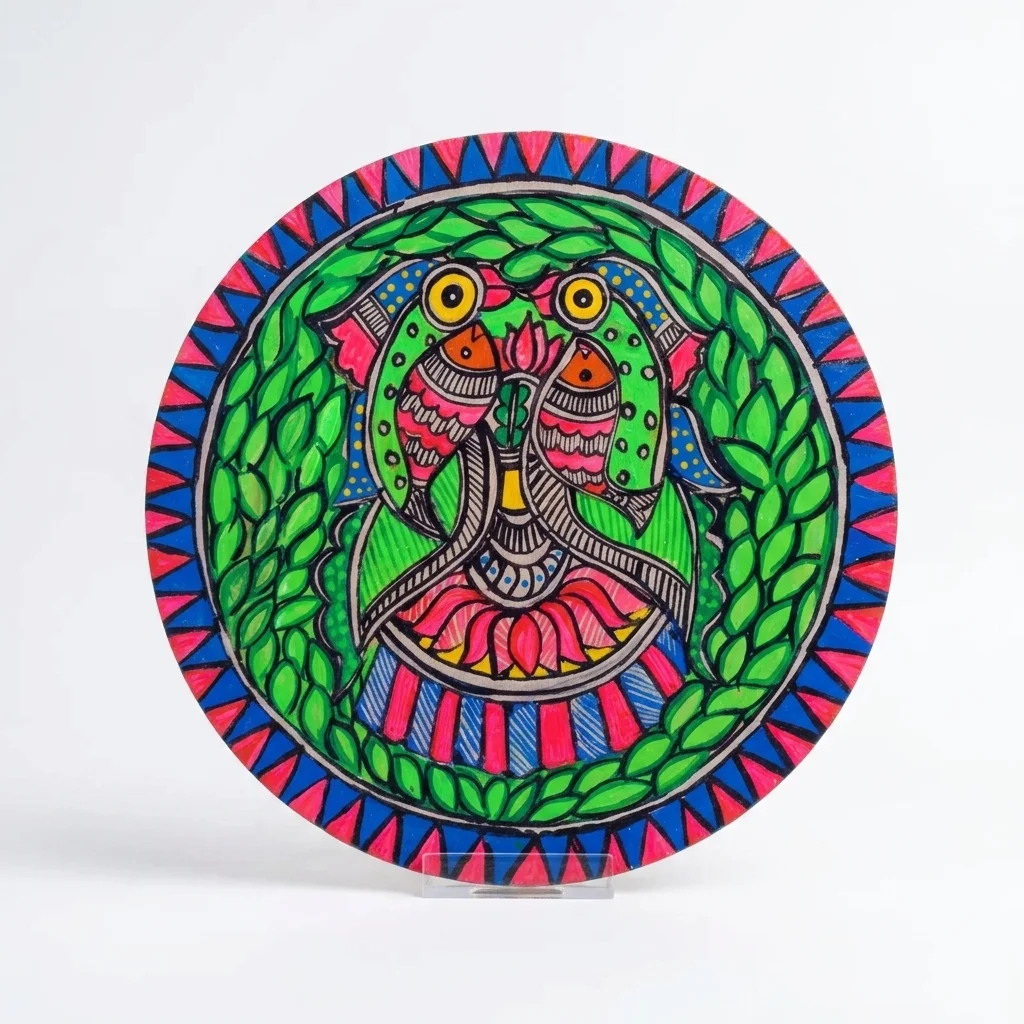
✨ Explore Mithila Art
Bring home our handcrafted Madhubani collection of Mithila art coasters, magnets, trays, desk accessories, and more.
Frequently Asked Questions About Maithili Language
What is Maithili, and is it a separate language or a dialect of Hindi?
Maithili is an independent language, not a dialect of Hindi. It has its own grammar, vocabulary, and historical script (Tirhuta/Mithilakshar), even though it shares Indo-Aryan roots with Hindi.
Is Maithili recognized officially in India?
Yes. Maithili was added to the Eighth Schedule of the Indian Constitution in 2003, making it one of 22 scheduled languages of India.
How is Maithili different from Hindi?
Maithili has its own grammatical structure and historically used the Tirhuta script rather than Devanagari. It’s spoken by a specific regional population, over 34 million people concentrated in north Bihar’s Darbhanga, Madhubani, Samastipur, Saharsa, and Begusarai districts, and in Nepal’s eastern Terai, rather than being a pan-Indian language like Hindi.
What is the origin of the name “Maithili”?
The name comes from “Mithila,” the ancient kingdom ruled by King Janaka in the Ramayana. Maithili is also one of Sita’s names, since she was Janaka’s daughter and princess of Mithila. The language and region are believed to carry her name.
What script is Maithili written in?
Historically, Maithili was written in the Tirhuta script (also called Mithilakshar), with some texts in Kaithi script. Today, Devanagari is the more widely used script for Maithili.